

"Sport: Building Bridges, Breaking Barriers" unites the global sports community on the 2026 International Day of Sport for Development and Peace
06 Apr. 2026
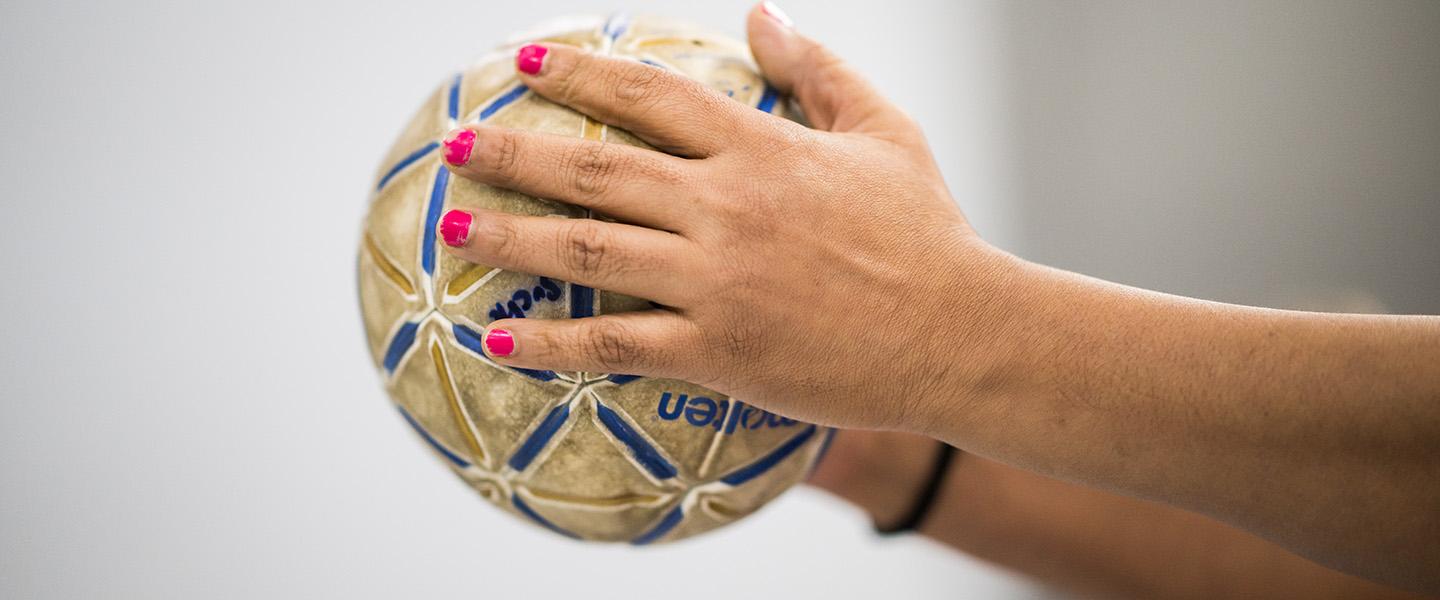
Every year on 6 April, the global sporting community comes together to celebrate the International Day of Sport for Development and Peace (IDSDP) - a United Nations observance that recognises the unique and powerful role that sport and physical activity play in the lives of people and communities across the world. The date marks the anniversary of the opening of the first modern Olympic Games in Athens in 1896, a moment that symbolised sport's capacity to bring nations together.
The International Day of Sport for Development and Peace was officially proclaimed by the UN General Assembly on 23 August 2013 through Resolution A/RES/67/296, with the first celebration taking place on 6 April 2014. Since then, it has grown into a global platform that unites governments, international organisations, sports federations, civil society, and athletes in a shared commitment to harnessing sport as a force for positive change.
This year's IDSDP carries a theme that resonates deeply across the sporting world: "Sport: Building Bridges, Breaking Barriers." In an increasingly fragmented world, the theme underscores sport's unique capacity to foster connection, inclusion and peace - transcending different boundaries in ways few other forces can.
The 2026 International Day of Sport for Development and Peace will place particular emphasis on evidence-based approaches and best practices that demonstrate how sport contributes measurably to the UN's 2030 Agenda for Sustainable Development, especially in advancing health, gender equality, reduced inequalities, and peaceful, inclusive societies. Through dialogue, partnerships and shared experiences, IDSDP 2026 aims to reaffirm sport's role as a strategic tool for bringing people together and dismantling barriers to inclusion. leaving no one behind.
For the International Handball Federation, the values at the heart of IDSDP are woven into the fabric of the sport's global development mission. With 211 member federations spanning every continent, handball has long been a vehicle for social inclusion, youth empowerment and community building. From the IHF Trophy development competitions that bring international handball to nations where the sport is still growing, to the coaching education programmes that equip local trainers with the knowledge to build the next generation of players, the IHF's work is a daily expression of sport's power to bridge divides and break down barriers.
As the UN has noted in the 2030 Agenda, sport is "an important enabler of sustainable development", contributing to the empowerment of women, young people, and communities, as well as to health, education and social inclusion. Handball, played by millions around the world regardless of background, nationality or ability, stands as a testament to that truth.
Alongside the official UN observance, the International Day of Sport for Development and Peace is also closely associated with the #WhiteCard campaign, an initiative created in 2014 by Peace and Sport, the independent worldwide organisation dedicated to sport as a tool for peace.
Borrowing from the familiar language of sport - where yellow and red cards signal caution and exclusion - the White Card flips the symbolism entirely, representing the positive power of sport to promote peace and social inclusion. It is a gesture that every athlete, coach, official, fan and federation can make, regardless of sport or nationality.
On 6 April each year, players and coaches around the world raise the White Card as a collective statement of inclusion and belief in sport's capacity to change lives and build bridges between communities.
To find out how to participate and raise your own #WhiteCard, visit www.April6.org.